

Testing options
GI Map Test (advanced stool analysis)

The GI Map test uses DNA sequencing and it is the most sensitive stool test on the market today. This test is designed to assess the microbiome with particular attention to microbes that may be disturbing normal microbial balance and may contribute to digestive problems and other illnesses. It screens for pathogenic bacteria, commensal bacteria, opportunistic pathogens, fungi/yeast, viruses, H-pylori, and parasites. The GI Map test also measures standard markers of immunity, inflammation and digestion including calprotectin, secretory immunoglobulin A (SIgA), anti-gliadin antibody, pancreatic elastase 1 and Beta glucoronidase.
This test might provide valuable information if you’re dealing with:
constipation, diarrhea, bloating, acid reflux, food sensitivities, irritable bowel syndrome, inflammatory bowel disease, SIBO and also fatigue, migraines, skin problems, hormonal imbalances, autoimmune conditions, thyroid problems, anxiety and depression
MRT (mediator release) food sensitivity test

gives insight into inflammation provoking foods and food-chemicals
tests 170 foods and food chemicals
Chronic health complaints such as digestive problems, headaches, joint and muscle pain, weight imbalance and fatigue are all symptoms which can be caused by our immune system's reaction to foods, additives, or other substances in our diet. Any food or food additive can be reactive, even foods which are considered healthy, such as chicken, broccoli, or garlic. In addition, reactions can be delayed and/or dose-dependent. This means we may not feel the effects of a reaction until many hours or days after we've eaten the reactive foods, or unless we eat enough of the reactive food. This test identifies how strongly your immune cells react to the foods and food chemicals by measuring intracellular mediator release indirectly. When released from immune cells, chemical mediators such as histamine, cytokines, and prostaglandins produce damaging effects on body tissues, leading to the development of symptoms. Identifying harmful substances is the first step towards improving your health.
KBMO - Food Inflammation Test

The Food Inflammation Test (FIT) employs unique methods that detect both IgG antibody and Immune Complexes together to determine the reactivity of each sample against a wide variety of food antigens. Measuring IgG and Immune Complexes together increases the sensitivity over other tests which measure IgG alone.
Measures sensitivity to 132 foods, colorings and additives spanning all major food groups.
SIBO (small intestinal bacterial overgrowth) breath test

Breath testing is a non-invasive option that measures hydrogen and methane gasses produced by bacteria in the small intestine.
Symptoms of SIBO may include nausea, bloating, vomiting, diarrhea, constipation, malnutrition, and malabsorption. These issues typically result after eating carbohydrates – even fruit or vegetables will trigger bloating as the bacteria feed on the carbohydrates within them.
Nutritional Blood Chemistry panel
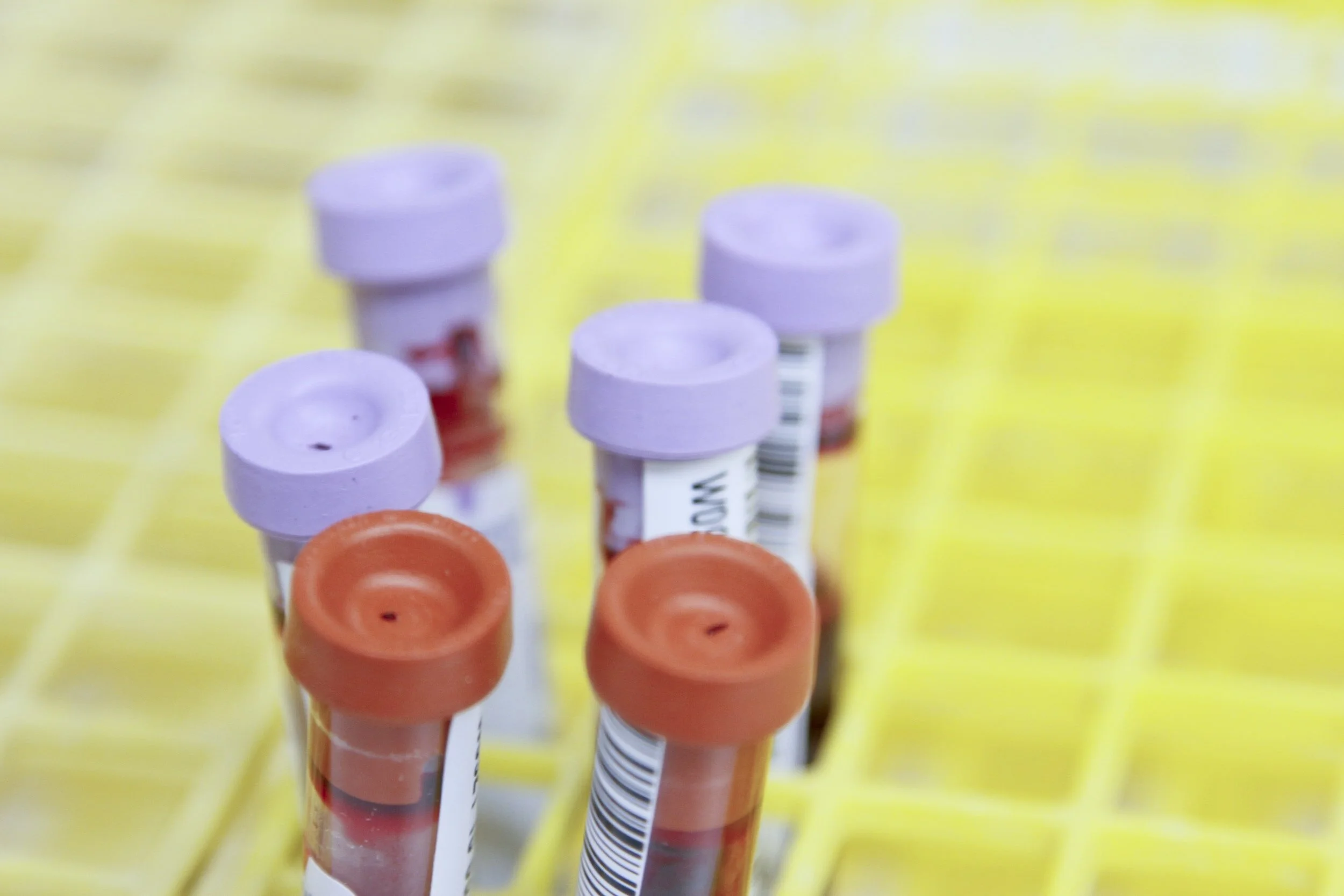
Assessing cardiovascular function, blood sugar, liver and gallbladder, digestion, anemia and nutritional deficiencies, thyroid function, immune and inflammation, kidney and adrenal function and dehydration.
Includes the following markers:
Thyroid panel:
Total T3, Total T4 (Thyroxine), Free T4 Index (T7), Free T3, T3 Reverse, TSH, Thyroglobulin Antibodies, Thyroid Peroxidase Antibodies
Lipid panel:
Cholesterol, total, HDL Cholesterol, Triglycerides, LDL Cholesterol, Chol/HDLC ratio, Non HDL Cholesterol
Inflammation:
HS CRP, C-Reactive protein
Comprehensive metabolic panel:
Glucose, Insulin, Urea Nitrogen (BUN), Creatinine, eGFR, Sodium, Potassium, Chloride, Carbon dioxide, Calcium, Protein, total, Albumin, Globulin, Albumin/Globulin ratio, Bilirubin, total, Alkaline Phosphatase, AST, ALT, Hemoglobin A1c, Phosphate (as phosphorus), Uric Acid, LD, GGT
CBC:
White blood cell count, Red blood cell count, Hemoglobin, Hematocrit, MCV, MCH, MCHC, RDW, Platelet count, MPV, Absolute neutrophils, Absolute lymphocytes, Absolute monocytes, Absolute eosinophils, Absolute basophils, Neutrophils, Lymphocytes, Monocytes, Eosinophils, Basophils
Iron panel
Iron, total, Iron binding capacity, % saturation, Ferritin
Other:
Vitamin D, Magnesium, Homocysteine
Hormonal testing

cycling female hormone panel
peri-menopause hormone female
post-menopausel female hormone panel
male hormone panel
bone health testing
Advanced adrenal assessment test

This test provides detailed information about the pattern of HPA (Hypothalamus, Pituitary, Adrenals) axis activity and adrenal hormone output. It measures daily free cortisol and cortisone patterns, cortisol and cortisone metabolites, creatinine, DHEA and melatonin
HPA axis dysfunction is a stress-related condition that occurs when the adrenal glands, hypothalamus, and pituitary gland are functioning below their optimal level. HPA axis dysfunction is usually the result of long term physical, emotional and/or environmental stress and can lead to symptoms like low energy levels, weakened immunity, high levels of fatigue, difficulty handling stress, etc. This can also lead to lower levels of a number of hormones and neurotransmitters which can affect every single part of the body.
Immune assessment panel

Includes the following markers:
Coenzyme Q10
Complete Blood Count (CBC) with differential
Comprehensive Metabolic Panel
C-Reactive Protein (CRP), High Sensitivity
Ferritin
Glutathione
Hemoglobin (Hb) A1c
Homocysteine
Insulin
Iron
Lipid Panel
Magnesium, RBC
Omega 3 and 6 Fatty Acids
Sedimentation Rate
Selenium
Thyroid Antibodies
Thyroid-stimulating hormone (TSH)
Thyroxine (T4), Free
Uric Acid
Vitamin A
Vitamin D
Zinc, RBC
Micronutrient test

It evaluates how 31 different vitamins, minerals, amino acids, and antioxidants are working within a person’s cells. But it goes even further—it will tell how well cells can withstand oxidative stress, how well cells are metabolizing carbohydrates and how adeptly cells function when launching an immune response.
Armed with this information, we can develop a targeted supplementation regimen based on the results. This plan will be unique to your personal biochemistry at this point in your life. Once cellular deficiencies are corrected, symptoms improve and we often experience systemic benefit.
Vitamins
Vitamin A
Vitamin B1
Vitamin B2
Vitamin B3
Vitamin B6
Vitamin B12
Biotin
Folate
Pantothenate
Vitamin C
Vitamin D
Vitamin K
Minerals
Calcium
Magnesium
Manganese
Zinc
Copper
Amino Acids
Asparagine
Glutamine
Serine
Fatty Acids
Oleic Acid
Antioxidants
Alpha Lipoic Acid
Coenzyme Q10
Cysteine
Glutathione
Selenium
Vitamin E
Carbohydrate Metabolism
Chromium
Fructose Sensitivity
Glucose-Insulin Metabolism
Metabolites
Choline
Inositol
Carnitine
Spectrox®
Total Antioxidant Function
Immunidex
Immune Response Score
Organic Acids Test

This test provides a snapshot of the metabolism, based on a comprehensive assessment of 74 unique urinary metabolites. It evaluates yeast and bacterial overgrowth, vitamin and antioxidant levels, fatty acid metabolism, neurotransmitter levels, inborn errors of metabolism (including oxalate levels), mitochondrial function, oxidative stress, detoxification and much more.
Organic acid molecules are by-products of human cellular activity, the digestion of foods, and the metabolism of gastrointestinal flora. Specimens from individuals with a chronic illness, allergic condition, or neurological disorder often have one or more abnormal organic acids.
MycoTOX Profile / Mold exposure

Mycotoxins (toxins from mold) are some of the most prevalent toxins in the environment. Mycotoxins are metabolites produced by fungi like mold, which can infest buildings, vehicles, and foodstuffs. Most mycotoxin exposures in North America, Europe, and Australia are through airborne exposure. Food may be a major source of mycotoxins in third-world nations that lack government inspection of foods, especially the grains such as rice, corn, wheat, rye, and barley.
Fungi can grow on almost any surface, especially if the environment is warm and wet. Inner wall materials of buildings, wallpaper, fiber glass insulation, ceiling tiles, and gypsum support are all good surfaces for fungi to colonize. These fungi then release mycotoxins into the environment causing symptoms of many different chronic diseases. Diseases and symptoms linked to mycotoxin exposure include fever, pneumonia-like symptoms, heart disease, rheumatic disease, asthma, sinusitis, cancer, memory loss, vision loss, chronic fatigue, skin rashes, depression, ADHD, anxiety, and liver damage. With the MycoTOX Profile we can identify mycotoxin exposures and make recommendations for detoxification protocols.
MycoTOX screens for eleven different mycotoxins, from 40 species of mold, in one urine sample.
MycoTOX is the most comprehensive and competitively priced mycotoxin test available.
MycoTOX uses the power of advanced mass spectrometry (MS/MS), which is necessary to detect lower levels of these fungal toxins. This test is optimal for follow up testing to ensure that detoxification therapies have been successful.